A new garage door installation is a valuable upgrade, and most homeowners want to understand how long the whole project will take. Knowing the timeline, from the initial consultation to the final safety inspection, helps you plan around delivery, scheduling, and installation day with realistic expectations. This type of project is rarely finished in a single day, especially if your chosen door is custom-ordered or your garage needs preparation before technicians can install the system.
Each phase plays a role in the overall schedule, and understanding those stages makes the process easier to manage. With proper planning and a reliable professional handling the work, you can protect curb appeal, improve security, and ensure your garage door system operates smoothly for years.
Understanding the Scope of a New Garage Door Project
A new garage door project involves several key stages that start well before installation day. Planning early helps homeowners get the best results and avoid surprises. The first decision is selecting a garage door that fits your home’s design, daily use, and local weather demands. Materials, insulation level, and opener compatibility all affect performance and long-term value, so it helps to review options carefully.
Working with experienced professionals is just as important as selecting the door itself. A reliable garage door service supports you through measurement, selection, scheduling, installation, and final safety checking. Technicians can also identify worn tracks, cables, or framing issues that may need attention before the new system is installed, helping avoid delays and ensuring proper alignment and safe spring tension.
For a complete breakdown of every stage involved in a full installation, read What’s Really Involved in Getting a New Garage Door Installed?.
Why Homeowners in Newport News, Virginia, Seek New Garage Door Installation
Many homeowners in Newport News, Virginia, choose a new garage door to improve curb appeal and update the home’s exterior. An older, damaged, or worn door can make the property feel dated, while a modern, high-quality replacement can refresh the entire front of the home.
Frequent garage door repairs are another common reason to upgrade. If a door requires repeated repairs, replacement is often the smarter long-term option. At that point, homeowners usually search for “garage door installation near me” because they want technicians they can trust to install every part correctly and safely.
Energy efficiency also drives upgrades. Many homeowners choose insulated garage doors to maintain more consistent garage temperatures and improve overall performance. Better insulation, stronger parts, and an updated style make a new garage door installation a practical improvement for comfort, reliability, and value.
To learn how local technicians deliver safe, precise results, read What to Expect From Local Professionals When You Search Garage Door Installation Near Me.
Key Considerations Before Starting a Garage Door Project
Before moving forward, it’s essential to plan the details that shape cost, timeline, and final results. A reliable garage door service can guide you through material selection, insulation options, opener compatibility, and inspection of existing parts such as tracks and springs. Technicians can also confirm whether any spring replacement or opener installation is needed as part of the project.
To stay organized, focus on these essentials:
- Budget: Include the garage door, labor, and a new opener if required.
- Material: Select steel, aluminum, wood, or composite based on durability and maintenance needs.
- Style: Choose a design that matches your home’s exterior for a cohesive finish.
- Insulation: Consider an insulated garage door for stronger energy efficiency and quieter operation.
Planning these factors early helps homeowners secure a smooth installation and long-lasting performance.
Homeowners wanting a simple comparison of door materials, insulation levels, and style pros/cons can review This Old House’s garage door buying guide before finalizing their order.
For a clear guide to pricing drivers and budgeting, read What a New Garage Door Installation Really Costs and Why.
Mapping the New Garage Door Timeline: What to Expect
A new garage door installation follows a predictable timeline. When homeowners understand each stage, the process feels transparent and manageable, and they know what to expect from their garage door service. From the first call to final safety inspection, every phase supports a smooth project and reliable long-term performance.
The timeline typically starts with a consultation, moves into measurement and ordering, and then finishes with scheduling and installation day. Door availability, customization, and garage conditions can affect timing, so having clear expectations helps you plan around access, delivery, and tech visits. Knowing these steps also supports future garage door maintenance, keeping your garage door system balanced, quiet, and secure over time.
Initial Consultation and Choosing Garage Door Styles
The project begins with an in-home consultation. A garage door professional reviews your needs, budget, and home design, then explains which garage door styles and materials fit your goals. This is your time to ask questions, compare features, and select the door that best supports curb appeal, insulation, and daily operation.
During the consultation, the technician will help you choose a style that matches your exterior while meeting your local weather performance needs. Your selections here guide ordering and manufacturing, so this step matters.
Popular garage door styles include:
- Carriage House: Classic design with a rustic finish.
- Traditional Raised-Panel: Timeless style that fits most homes.
- Modern Full-View: Sleek glass design with contemporary appeal.
- Slab/Flush: Clean, simple panels with minimal detailing.
Measurements, Orders, and Scheduling with Local Professionals
After you select the door style, a technician takes precise measurements of your garage opening. Accurate sizing is critical, especially for custom garage doors, because it ensures proper alignment of tracks, panels, and spring tension. Once measurements are confirmed, your garage door service places the order with the manufacturer.
Manufacturing and delivery are usually the longest phase. Standard doors may arrive within a few weeks, while custom designs often take 6–8 weeks or longer, depending on material and features. After delivery, the team promptly schedules installation.
| Project Phase | Typical Duration |
| Initial Consultation | 1-2 hours |
| Order & Manufacturing | 2-8 weeks (depending on customization) |
| Scheduling & Delivery | Coordinated upon door arrival |
| On-site Installation | 4-6 hours |
The Installation Day: Step-by-Step Process
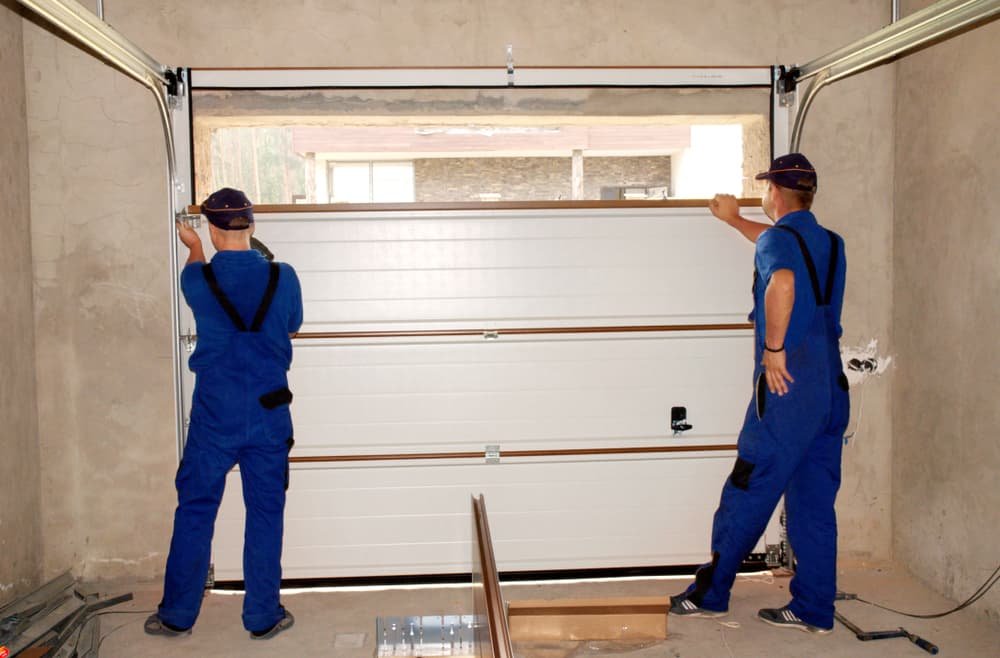
On installation day, your chosen garage door service handles the complete setup from start to finish. Selecting a reliable team matters because every part must be installed correctly for safe, smooth operation. Trained technicians follow a proven process to remove the old system, install the new garage door, and complete garage door opener installation with precise alignment and proper tension.
Before work begins, technicians confirm measurements, review the door and opener parts, and safeguard the work area. They then remove the existing door, tracks, and hardware, making sure the opening is clean and ready for the new system. Next comes track installation, panel assembly, and secure fastening of hinges, rollers, and cables to keep movement steady and balanced.
After panels and tracks are installed, technicians carefully set spring tension, as this step controls how smoothly and safely the door opens and closes. They finish by installing and programming the garage door opener, aligning safety sensors, and adjusting travel limits. A final inspection checks balance, noise, seal fit, and safety reversal response, ensuring your new garage door system operates reliably from day one.
Because spring tension and panel weight are the riskiest parts of install day, DASMA’s homeowner safety notes explain why professional handling matters.
Site Preparation and Delivery of Custom Garage Doors
Preparing your garage in advance helps the installation move quickly and safely. Clearing the area gives technicians enough space to work, carry panels, and set tracks without delay. This simple step supports a cleaner, more efficient installation.
When the team arrives, they deliver all required parts, including door panels, tracks, hardware, and the garage door opener. They organize materials immediately and confirm that everything matches the order before installation begins.
Homeowner preparation checklist:
- Move vehicles out of the garage.
- Clear at least 5–6 feet of space around the garage door opening.
- Relocate storage near walls or hanging items that limit access.
- Ensure an electrical outlet is accessible for opener setup.
Professional Installation: What Happens Onsite
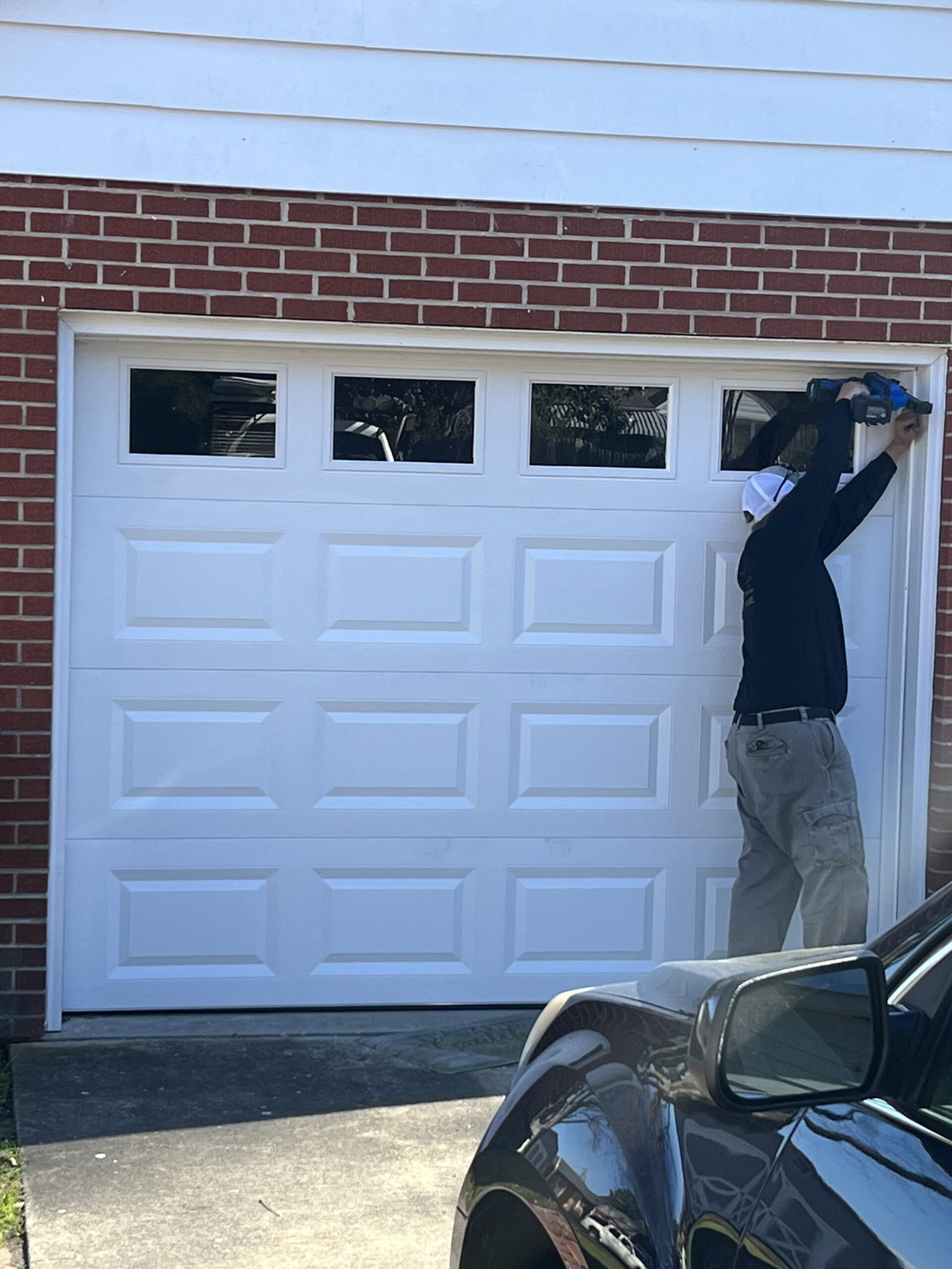
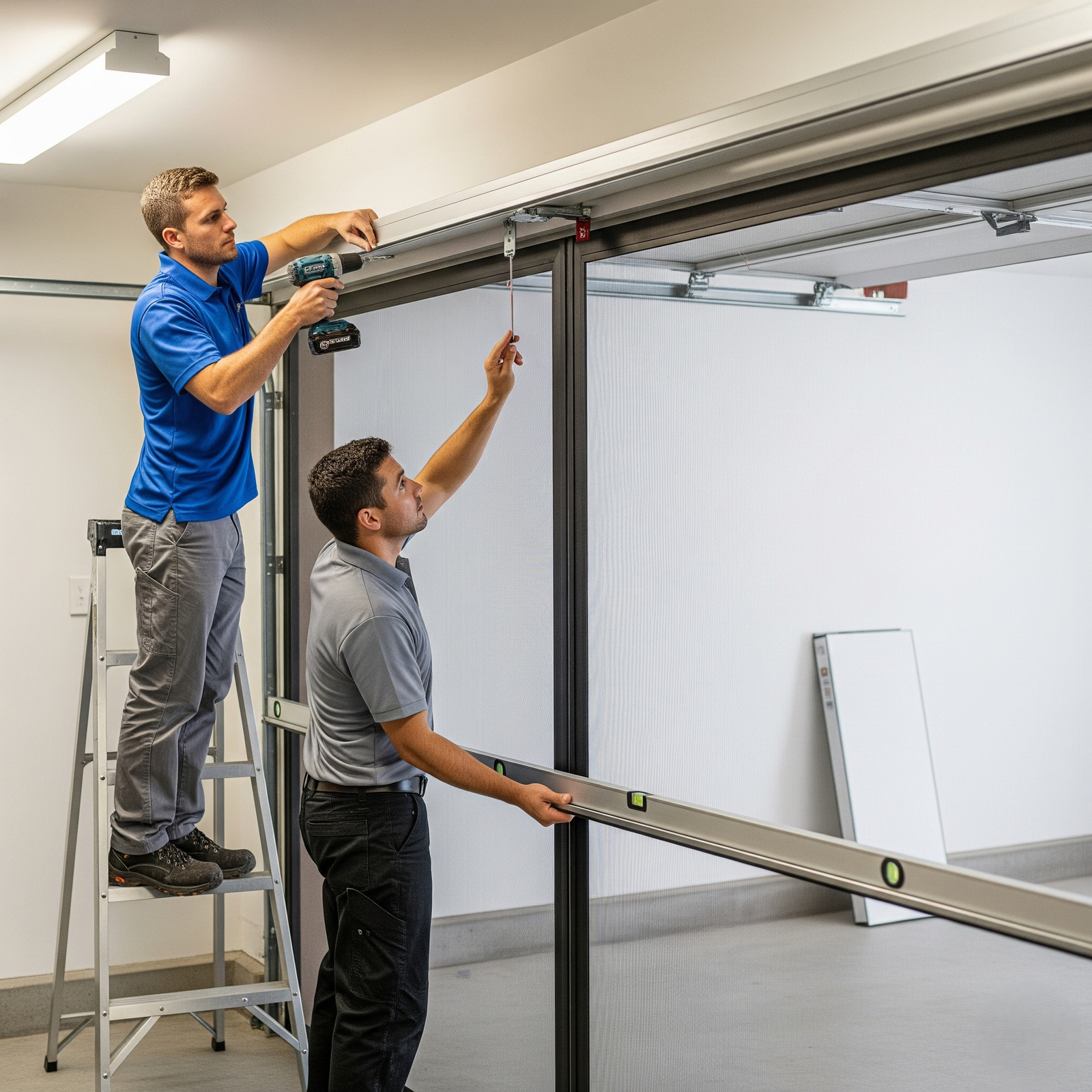
Technicians start by carefully removing the old garage door, tracks, and hardware, then clear the opening for the new system. Next, they install and secure new tracks, ensuring proper level and spacing. After the tracks are set, they assemble and install each door panel, checking alignment as they go.
Once panels are in place, technicians install the spring system and set the correct spring tension. This step is critical for balance and safe operation, and trained professionals must handle it. Afterward, they complete the garage door opener installation, connect the safety sensors, and program the travel limits.
The final steps include complete safety checks and performance testing. Technicians inspect door balance, confirm smooth travel, verify sensor response, and ensure installation meets manufacturer standards to protect your warranty and deliver long-term reliability.
Post-Installation Review and Quality Checks
After the garage door installation is complete, a detailed review is still required. This final stage confirms every part is operating correctly and that the whole system meets safety and performance standards. Thorough inspection protects the quality of service and ensures your new garage door operates reliably every day.
Your garage door technician will also walk you through how the door and opener work together. You’ll receive clear instructions on preventive maintenance, so you can keep the system running smoothly and extend the life of all moving parts. This guidance helps homeowners avoid unexpected problems and maintain long-term performance.
During this visit, technicians verify track alignment, roller movement, cable condition, and spring tension, then apply the recommended lubricant. They also confirm the seal sits evenly against the floor, test wall controls and remotes, and review emergency release operation. Any minor adjustments are made immediately to keep the door balanced, quiet, and dependable.
Final Walkthrough, Warranties, and Maintenance Guidance
During the final walkthrough, you and the lead technician inspect the new garage door together. They’ll demonstrate operation, explain key safety features, and answer any questions about the installation. This is also when you receive warranty documentation for both parts and labor, confirming the work is backed by the company’s standards.
The technician will outline simple preventive maintenance steps, including routine inspections and proper lubrication of moving parts, as recommended by the manufacturer. Following this plan supports quiet operation, stable spring tension, and fewer repair needs over time.
During the final walkthrough, be sure to:
- Test the remote and wall controls.
- Watch the door open and close to confirm smooth, even travel.
- Ask about the safety reversal system and sensor checking.
- Review and keep all warranty paperwork for your records.
Knowing the real timeline for a new garage door installation helps every homeowner plan with confidence. When you understand each phase, from consultation and ordering to installation day and final safety checking, you can prepare your garage, coordinate schedules, and avoid surprises. Following preventive maintenance guidance after installation also keeps your garage door system reliable, quiet, and secure for years.
Prime Garage Doors serves Newport News with high-quality garage door installation, repair, and garage door opener services, handled by trained technicians who focus on precise alignment, proper spring tension, and thorough safety inspections. Ready to start your project or need transparent pricing and timeline details? Contact us or give us a call to schedule your service.