Garage door cables help lift and lower the door evenly. They work with the springs to control weight and keep the door moving straight through the tracks. When cables start wearing down, slipping, or losing proper tension, the door can tilt, shake, or bind during travel. That can create safety concerns and can quickly lead to bigger system damage if the door keeps running, which is when garage door cable repair becomes important as part of overall garage door repair.
Cable problems can also be tricky because the first signs are not always obvious. Some homeowners notice a slight tilt or rough travel and assume it is an opener issue. Others hear new noises and think the tracks need attention. In many cases, cables are part of the problem, but they are not the only factor. This article helps you spot common warning signs, understand why cables fail, and know when it is time to bring in a professional for inspection and repair.
The Most Urgent Cable Warning Signs That Need Professional Help
Certain cable symptoms should be treated as urgent. If you see them, the safest move is to stop using the door and call a professional.
A cable looks loose, slack, or out of place
Cables should remain properly tensioned during normal operation. If you see slack or a cable that looks like it is no longer seated correctly, the door can lift unevenly and bind.
Visible fraying or “stringing” on the cable
Frayed cable strands are a serious warning sign. Even if the door still moves, fraying means the cable is no longer in a safe condition for continued use.
The door is crooked, or one side lifts faster than the other
A door that rises unevenly often points to lifting imbalance. Cables are a common part of this, especially if one side looks higher during travel or the door seems to “twist” slightly.
The door shakes, jerks, or binds during travel
Binding can happen when a cable is not carrying the load evenly, or when the door is no longer tracking smoothly. This can create sudden stops, rough movement, or repeated resistance in the same area.
The door slams or drops faster than normal
If the door feels like it is dropping quickly or closing with more force than before, it could indicate unstable lifting support or uneven load conditions that involve the cables.
You hear new scraping, popping, or banging sounds
Noise can be caused by several issues, but when combined with uneven travel or tilt, it is a strong sign that the lifting system needs a professional inspection.
If any of these symptoms are present, it is safer to pause the operation and schedule service. Garage door cable repair is not just about replacing a worn part. The goal is to restore stable, even movement across the whole system.
Cable issues can overlap with other garage door problems, especially when the door starts moving unevenly or the opener begins reacting to resistance.
For the bigger picture of when it is safest to stop using the door and schedule service, read When Should You Call a Professional for Garage Door Repair?.
What Garage Door Cables Do (And Why They Fail)
Garage door cables are part of the lifting system that keeps the door moving evenly. They help distribute the load so the door rises straight and stays aligned in the tracks. When cables are in good condition and tension is correct, the door travels smoothly and predictably.
Cables can fail for a few common reasons:
Normal wear from repeated cycles
Garage doors open and close thousands of times. Over time, cables can wear down, especially if the door has been running under extra resistance.
An imbalance that shifts the load unevenly
When the door balance changes, one side may carry more load than the other. That uneven load can speed up cable wear and create tilt.
Rough travel that increases friction and vibration
If rollers drag or tracks are misaligned, vibration can increase. That vibration can affect the lifting system and make the cable strain worse.
Hardware changes that affect alignment
Loose or shifting hardware can change how the door moves through the opening. When alignment changes, cables can experience unusual force patterns.
The key point is that cables do not operate alone. If a cable is wearing down or slipping, we inspect how the entire door is moving, so the repair restores safe operation instead of only addressing one symptom.
Common Symptoms Homeowners Notice With Cable Problems
Many cable issues start with small changes that build over time. Here are the most common cable-related symptoms homeowners notice, and what they typically signal.
The Door Looks Tilted During Opening Or Closing
A tilted door is one of the clearest warning signs. If one side rises faster, the door can bind in the tracks and shake during travel. This often points to uneven lifting support, which can involve cable tension changes.
Uneven Lifting Or A Door That “Wobbles”
When cables are not carrying the load evenly, the door can wobble or sway. You might notice the door looks unstable in the opening, especially during the first part of the travel.
Rough Travel With Jerking Or Binding
A door that jerks instead of gliding may be dealing with uneven load or resistance. Cables can be part of that, especially if the door is also tilted or if the motion feels unpredictable.
The Door Stops Mid-Travel Or Reverses
Stopping and reversing can happen when the system senses resistance or instability. Cable problems can contribute if the door is binding or lifting unevenly. We confirm whether the resistance is coming from the lifting system, tracks, rollers, or a combination.
New Noises That Appear With Tilt Or Shaking
Noise is not always cable-related by itself. But when noise appears with a tilted door or rough travel, it becomes more likely that the lifting system is involved.
The Opener Seems To Struggle More Than Before
Sometimes the opener is not the root issue. If the door is lifting unevenly, the opener may work harder and respond with slow travel, pausing, or inconsistent motion.
These symptoms are common reasons homeowners search for garage door cable repair, especially when the door suddenly appears crooked or starts binding. The safest approach is to have us inspect the door system before the issue spreads to other parts.
Why Cable Problems Often Connect to Spring Issues
Cables and springs work together to lift the door. When spring support changes, the door can become unbalanced. That imbalance can shift the load unevenly across the cables and make cable wear happen faster, which is why garage door spring repair is often part of the broader inspection when cable symptoms appear.
Here is a common pattern:
- Springs weaken, and the door balance changes
- One side starts carrying more load
- The door begins lifting unevenly
- Cables experience uneven tension
- The door starts tilting, binding, or shaking
This is why cable symptoms often show up around the same time as spring symptoms. We check both the lifting support and the cable condition to restore stable movement.
If the door also feels heavier than usual or there is a sudden change in lifting behavior, a spring-related imbalance may be the root cause of increased cable strain. Read When Do You Need Garage Door Spring Repair?.
Rollers And Tracks Can Create Cable-Like Symptoms
Some roller and track issues can feel like cable problems because they also cause uneven movement, resistance, and shaking. For example:
- A worn roller can drag, making the door shake and seem unstable
- A misaligned track can create binding that looks like uneven lifting
- Track wear can cause rubbing that makes the door appear “off” during travel
That overlap matters because the right repair depends on the true cause of the resistance. If the door is rubbing, scraping, wobbling, or consistently binding at the same point, rollers and tracks may be involved along with the lifting system.
If the door is rubbing, scraping, or binding at the same spot, track alignment or roller wear may be creating resistance that makes cable symptoms seem worse. Read What Causes Garage Door Rollers or Tracks to Fail?.
What Happens During a Professional Cable Repair Visit
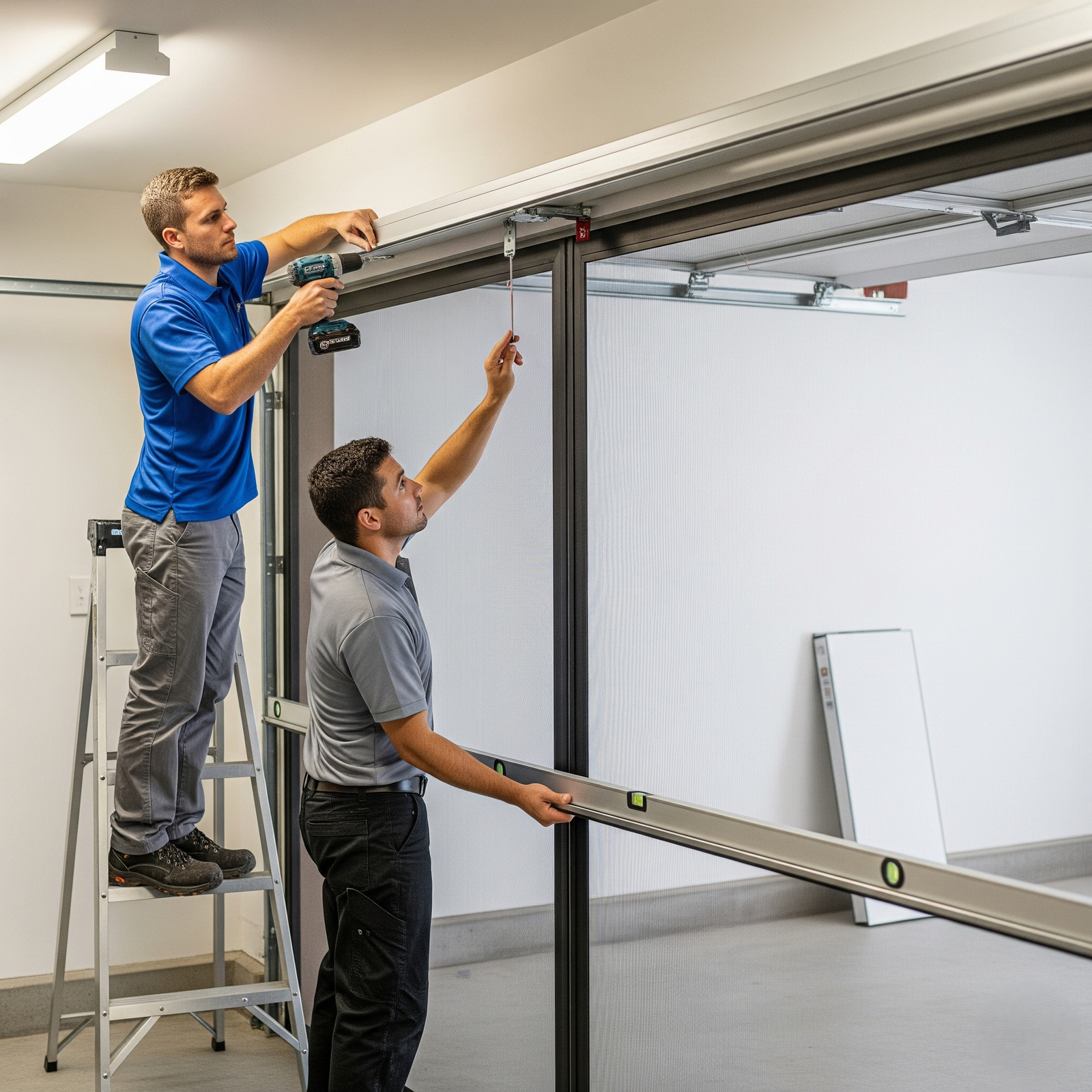
A professional service visit for cable concerns should focus on safe, even operation and system stability. While each door is different, a strong appointment typically includes:
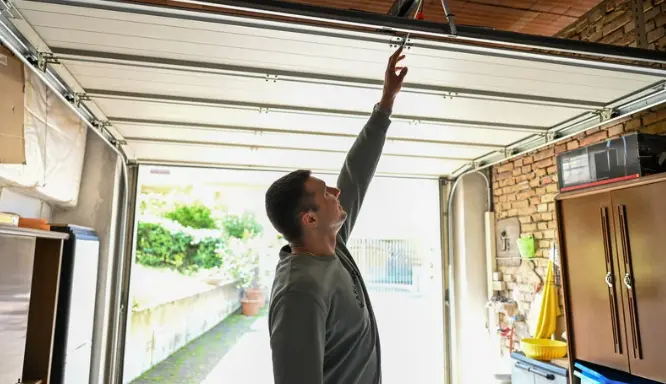
- Full inspection: cables, springs, rollers, tracks, hardware, and door balance
- Travel evaluation: checking for resistance, binding, tilt, and vibration
- Clear explanation: what is causing the uneven movement, and what repair steps restore stability
- Correct parts matching: ensuring the repair fits the door’s size and use
- Testing and verification: smooth movement, controlled closing, stable alignment, and consistent operation
- Final walkthrough: confirming what was done and what to expect after service
The goal is not only to address the cable symptom. The goal is to return the door to steady, predictable travel that protects the opener and reduces future wear.
Several homeowner-focused articles note that visible fraying or wear is one of the clearest warning signs that cables are no longer in a safe condition for continued operation.
Keeping the Door Level and Reliable
Cable problems can start as a small tilt or a new vibration, but they can quickly affect safe operation. A door that lifts unevenly, binds, shakes, or shows visible cable wear is signaling that the lifting system needs professional attention. Better Homes & Gardens also explains how to open a garage door without power, which matters because forcing a door that is lifting unevenly can create unstable movement. The safest approach is to schedule service early so the door can return to steady, predictable travel and avoid added strain on other parts.
Prime Garage Doors and Openers provides professional garage door repair focused on safe operation, clear communication, and reliable results that restore confidence in your daily access. If you are noticing cable symptoms or uneven lifting and want a full system inspection, contact us or give us a call.
Frequently asked questions
Is it safe to keep using the door if one cable looks loose?
If a cable looks slack or out of place, it is safer to stop using the door and have us inspect it. Continued operation can increase the chance of uneven travel and added wear across rollers, tracks, and lifting parts.
What does it mean if my garage door is crooked when it opens?
A crooked door usually signals uneven lifting. Cables, springs, and alignment conditions can all contribute. We inspect the system to confirm the cause and restore even movement.
Can a cable problem cause the opener to stop or reverse?
Yes. If the door binds due to uneven lifting or resistance, the system may stop or reverse. We check travel behavior and identify what is creating the resistance.
Are frayed cables always urgent?
Fraying is a serious warning sign. Even if the door still moves, frayed strands mean the cable condition is no longer safe. We recommend scheduling service before the issue escalates.
Why does my door shake during travel?
Shaking can happen when the door is lifting unevenly or when rollers and tracks are creating resistance. We inspect cables, rollers, tracks, and door balance together to identify the true cause.
Can cable issues damage other parts?
Yes. Uneven lifting can increase wear on rollers, tracks, hinges, and the opener. Our inspection focuses on restoring stable movement and addressing related wear early.
How do I know if it is a cable issue or a spring issue?
Cable issues often show up as tilt, uneven lifting, or visible slack. Spring issues often show up as heaviness or a sudden lifting change. Because symptoms overlap, we confirm the cause with a professional inspection.
Why does the door bind in the same spot each time?
Repeated binding can be related to track alignment, roller wear, or a travel resistance point. If the door is also tilted, cables may be involved, too. We identify the exact reason and restore smooth travel.
Should I schedule service if the door still opens most of the time?
Intermittent issues can be a warning sign. If the door sometimes lifts unevenly or shakes, the system may be close to a larger failure. We recommend inspection before the problem spreads.
What should I expect after cable repair service?
You should expect straighter travel, smoother motion, and more consistent opening and closing behavior. We test the operation and verify stable movement before we finish.