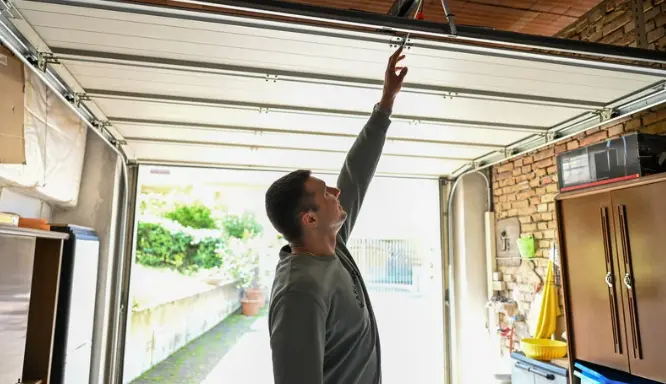
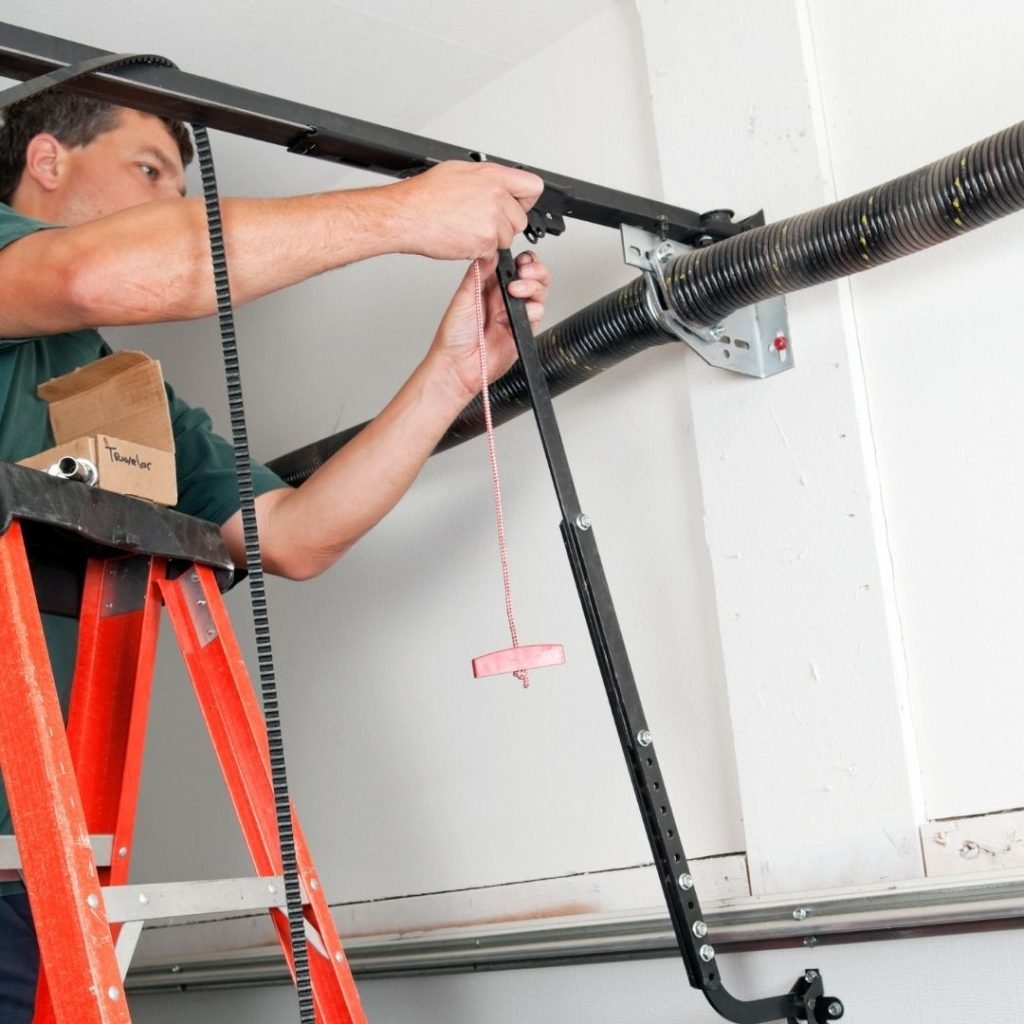
A garage door is one of the biggest moving parts in a home. It lifts, lowers, and locks up your access point multiple times a day. When it starts acting differently, the issue is not only about convenience, and garage door repair may be the safest step to protect reliable access. A door that shakes, drifts, or hesitates can become unreliable fast, and that can affect safety and security.
Many garage door problems start with small symptoms that are easy to ignore. A new squeal, a slight tilt, or a door that “feels heavier” can be early signs of imbalance or wear across key parts. This article helps you recognize the moments when calling a professional is the safest choice, what problems usually mean, and what to expect from a proper inspection and repair service.
The Clear Signs You Should Call a Professional Now
Some garage door symptoms are not “wait and see” situations. If you notice any of the issues below, the safest move is to stop using the door and call a professional.
Call right away if you notice:
- A sudden loud bang from the garage, followed by a door that will not open normally
- The door is crooked, or one side rises faster than the other
- The door slams shut or drops faster than normal
- New grinding, scraping, or popping sounds during travel
- The opener struggles, hums, or stops mid-cycle
- Gaps in the tracks or visible bending near brackets
- Loose or hanging cable near the sides of the door
- The door reverses unexpectedly or will not close reliably
A garage door that moves unevenly is a major warning sign. It often means the system is no longer lifting with balanced support. That imbalance can strain the opener and increase wear on rollers, tracks, hinges, and cables. The longer a door runs with uneven motion, the more likely it is that multiple parts will need repair, not just one.
If you suspect a spring issue, treat it as urgent. Springs carry the lifting force that makes a heavy door feel manageable. When spring support changes, the door can become unpredictable.
For a deeper breakdown of the most common spring symptoms and when to stop operating the door, read When Do You Need Garage Door Spring Repair?.
Why Garage Door Repairs Are Different From Other Home Repairs
Some home issues are annoying but stable. A garage door problem is different because the door is heavy, it moves with force, and it depends on multiple parts working together. When one part slips out of alignment or wears down, the system can shift from “mostly working” to “not safe” without much warning.
A garage door also has built-in energy in the system. The door may look still, but the lifting parts are designed to control weight and motion. When the door is unbalanced, the opener may still try to pull it, which can create jerky travel, sudden stopping, or a door that will not stay open.
Another reason garage doors need professional attention is that issues rarely stay isolated. A worn roller can lead to track wear. Track wear can create vibration. Vibration can loosen hardware. Loose hardware can change alignment. That chain reaction is why a professional inspection matters. A technician checks how the system behaves as a whole, not just one symptom.
Common Garage Door Problems That Need a Technician
Most garage door failures fall into a few categories. The tricky part is that the symptoms overlap, so one sound or one change can point to different causes. Here are common problems that often mean you should call a professional.
Door Imbalance And Heavy Operation
If the door feels heavier than usual, or the opener strains more than it used to, the system may be losing lift support. A door that is no longer balanced can:
- Wear down rollers faster
- Pull tracks out of alignment over time
- Create uneven cable tension
- Increase the chance of sudden stoppage
Spring Wear Or Breakage
Springs do the heavy lifting. When springs weaken or break, the door may:
- Stop lifting more than a few inches
- Lift a little, then slam back down
- Feel extremely heavy when attempting to open
- Trigger opener safety behavior like reversing
This is one of the most common reasons homeowners search for garage door spring repair, especially when the door suddenly won’t open.
Cable Wear, Slack, Or Uneven Lifting
Cables help lift the door evenly from both sides. When cables wear or slip, homeowners often notice:
- The door rises unevenly
- One side looks lower when closed
- The door shakes during travel
- A cable appears loose near the bottom bracket or drum area
Cable concerns often lead to garage door cable repair, but the real solution depends on what caused the cable change in the first place.
Roller Wear And Rough Travel
Rollers guide the door along the tracks. When rollers wear down, you might notice:
- Grinding or squealing sounds
- The door wobbles or shudders
- Slow travel with sudden jerks
- Visible wear on roller edges
These are common reasons homeowners ask about garage door roller repair, especially when noise and vibration increase rapidly.
Family Handyman notes that new grinding, shaking, or wobbling usually signals roller or track wear, and continued operation can accelerate damage once rough travel begins.
Track Misalignment Or Damage
Tracks keep the door guided and stable. When track alignment shifts, symptoms can include:
- Rubbing, scraping, or metal-on-metal sounds
- The door “walks” toward one side
- Gaps between rollers and track edges
- The door stops at the same spot each cycle
This is where garage door track repair becomes important, because track issues tend to worsen with continued use.
Routine home maintenance guidance encourages addressing alignment changes early, since continued use of a misaligned system can cause wear to spread beyond the original issue.
Opener Strain That Signals A Bigger Problem
Sometimes the opener is not the root issue. The opener may be reacting to resistance caused by:
- Door imbalance
- Roller drag
- Track misalignment
- Cable unevenness
A professional inspection helps confirm whether the opener is failing or whether the door system is forcing the opener to work beyond normal limits.
Spring Issues: When It’s More Than “A Loud Bang”
A spring problem can show up in different ways. Some homeowners hear a loud bang and assume something fell. Others notice the door slowly getting heavier over the weeks. Both cases can lead to the same result: the door no longer has reliable lifting support.
Call a professional for garage door spring repair if you notice:
- The door will not open, or will only open a few inches
- The door feels unusually heavy or unsteady
- The opener struggles, stops, or reverses during lifting
- The door closes faster than normal
- The door does not stay open consistently
Spring support affects the entire system. When the door is forced to operate without a correct lifting balance, it can strain cables, rollers, hinges, and the opener. That’s why spring symptoms should be treated as a system-level safety issue, not just a noise issue.
Cable Problems: The Warning Signs Homeowners Miss
Cables rarely “fail out of nowhere.” More often, the signs are subtle until the door starts lifting unevenly. When a cable slips, frays, or loses tension, the door may shift out of level, and the system can bind during travel.
Common cable-related warning signs include:
- The door looks tilted when opening or closing
- One side lifts, then pauses while the other side continues
- You see slack in a cable near the track
- The door shudders as it rises
- The door seems to rub in the tracks
Cable issues also tend to connect to other problems, like track alignment changes or roller wear. A technician can confirm whether garage door cable repair is the right next step, and what else needs attention to keep the door stable.
If you want a focused checklist of cable symptoms and what they usually mean, read How Do You Know If You Need Garage Door Cable Repair?.
Roller And Track Trouble: How Small Changes Become Big Failures
Rollers and tracks guide the door, but they also reveal early signs of deeper issues. A door that once moved smoothly can start vibrating, wobbling, or sounding harsh. Many homeowners ignore this because the door still opens, but rough travel is often the stage right before bigger damage.
Here’s what roller and track problems often sound or feel like:
- Grinding or scraping as the door moves
- Wobble where the door shakes in the opening
- Rubbing that leaves marks along the track edges
- Jerky travel with a “catch” at the same point every time
- Increased noise even when the opener seems fine
Roller wear can lead to uneven movement that pushes against the track. Track alignment issues can make rollers wear faster. That back-and-forth is why many service calls end up involving garage door roller repair and garage door track repair together.
If you want the deeper “why” behind these failures, plus what conditions typically cause them, read What Causes Garage Door Rollers or Tracks to Fail?.
What To Expect When You Call A Professional
A professional repair visit should feel organized, clear, and safety-first. While every case is different, a strong appointment usually includes:
- A full system inspection: door balance, lifting support, track condition, rollers, cables, and hardware
- Safety checks: how the door behaves under motion, whether it binds, and whether the opener is compensating for resistance
- Clear explanation: what is worn, what is causing the symptom, and what the repair approach will change
- Parts match and verification: correct parts for the door’s size and use, followed by testing travel and closing consistency
- Final functional check: smooth movement, stable alignment, and reliable open/close behavior
If a service visit focuses only on the most visible symptom and ignores system balance, you may see the same problem return. The safest repairs are the ones that bring the system back to stable, even operation.
How To Choose The Right Garage Door Repair Team
When homeowners start comparing garage door repair options, the results can look similar. The best choice usually comes down to safety standards, communication, and the ability to diagnose the full system.
Here’s what to prioritize:
- Safety-first inspection: a team that checks balance, lifting support, and alignment
- Clear communication: plain-language explanations and repair options
- Strong local reputation: consistent feedback about reliability and professionalism
- Quality parts and verification: repairs that include testing and confirmation of smooth travel
- Warranty support: documentation and follow-through when issues return
A garage door is too important to leave to guesswork. The right team helps you understand what’s happening, why it happened, and how to keep the door stable moving forward.
The Safest Next Step for Your Garage Door
Garage door problems are easiest to handle when you act early. A door that shakes, lifts unevenly, reverses, or gets louder usually signals that the system is drifting out of balance or that key parts are wearing out. The safest choice is to stop using the door when the movement feels unpredictable and have a professional inspect the full setup before the issue spreads to more parts.
Prime Garage Doors and Openers provides professional garage door repair that focuses on safe operation, clear explanations, and reliable results you can count on. If you have concerns about springs, cables, rollers, tracks, or opener strain, we are ready to help restore stable performance and dependable access, so contact us or give us a call.
Frequently asked questions
When is a garage door problem an emergency?
If the door is crooked, drops fast, will not open reliably, or makes grinding and scraping sounds, it should be treated as urgent. We recommend stopping use and having us inspect the full system for safe operation.
Is it safe to use the opener if the door feels heavy?
A heavy door often signals loss of lifting support or imbalance. The opener can strain or fail when it tries to lift a door that is not moving normally. We can check the balance and confirm what is causing the added resistance.
Why does my garage door reverse before it closes?
Reversing can happen when the system senses resistance or instability during travel. That resistance can come from alignment changes, roller drag, or uneven lifting. We can identify the source and restore a consistent closing.
What does it mean if my garage door is louder than usual?
New noise often points to a change in how parts are moving together. Rollers, tracks, hinges, or lifting support may be wearing or shifting. We can inspect the system and explain what the noise is signaling.
Can a track issue cause other parts to wear out faster?
Yes. When a track is misaligned or worn, the rollers can drag or bind, and the door may shake during travel. That movement can increase wear on hardware and create uneven lifting behavior. We can confirm whether track repair is needed.
How do I know if I need garage door cable repair?
Common signs include uneven lifting, a tilted door, slack near the sides, or rough travel that starts suddenly. We can inspect the cables and the related lifting parts to determine the safest repair plan.
Why does the door stop at the same spot each time?
A repeated stop point can indicate track alignment problems, roller wear, or a binding condition that increases resistance in one area. We can identify the exact cause and restore smooth movement.
Should I keep using the door if it sometimes works and sometimes doesn’t?
Intermittent operation can be a warning sign because the system may be close to a larger failure. We can inspect the door and opener behavior, then confirm what is creating the inconsistency.
Do rollers always need repair when the door shakes?
Not always, but shaking is commonly linked to roller wear, track alignment issues, or door imbalance. We can inspect the rollers and tracks together to see what is driving the vibration.
What should I have ready before scheduling a repair visit?
It helps to note what you observed, when it started, and whether the issue is constant or intermittent. We will handle the inspection and testing, then explain what we find and what the repair path looks like.