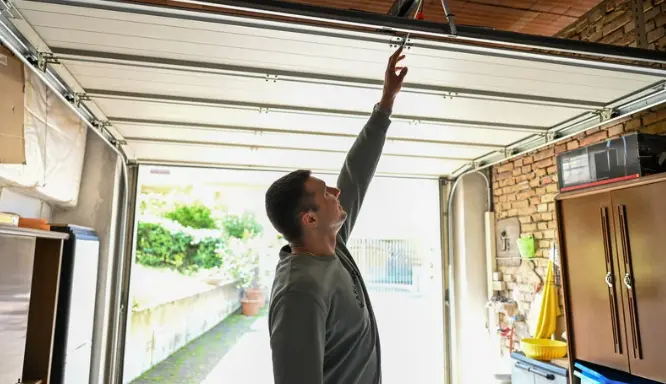
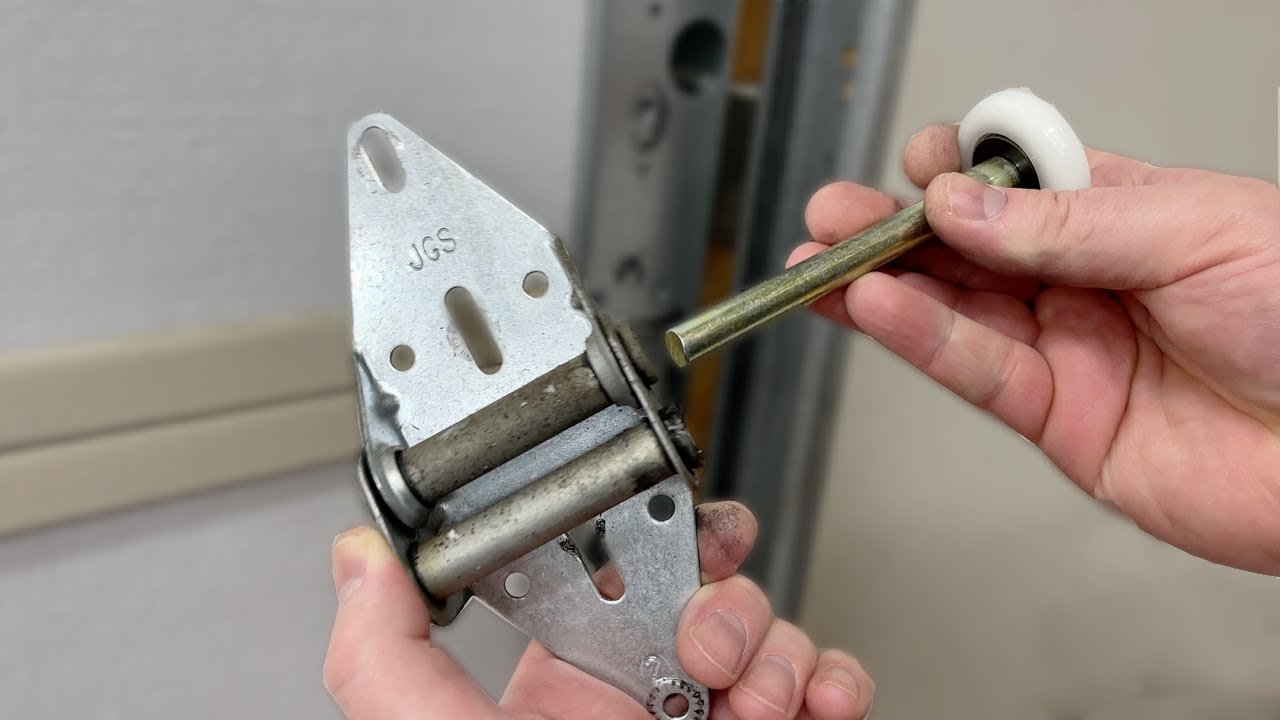
Your garage door does more than open and close. It’s a connected system that supports home security and steady daily routines. Many homeowners only call for service after a breakdown, yet a scheduled inspection is a more innovative way to protect what you own. Whether your door is newly installed or has served your home for years, routine maintenance keeps it reliable and helps you avoid unexpected issues. It also ensures smooth daily access for every homeowner.
Regular garage door inspections uncover worn parts early, confirm proper spring tension, and ensure rollers, tracks, and safety sensors work as a team. A technician also tests the garage door opener, verifies balance, tightens hardware, and applies garage-door-safe lubrication where needed. Staying consistent reduces sudden failures, supports quieter operation, and extends system life so your door performs safely in every season, all year-round.
Understanding Garage Door Tune-Ups and Inspections
A professional garage door tune-up is a full inspection and service for your entire garage door system. During the appointment, a technician conducts a thorough visual inspection of all moving parts to identify early signs of wear, misalignment, or uneven travel. Any necessary adjustments are made during the same visit to ensure the door operates smoothly, safely, and consistently.
This preventive service includes applying garage-door-safe lubricant to reduce friction, tightening hardware, and confirming the door is adequately balanced with the correct tension. Unlike a repair service that focuses on a single failure, a tune-up is a comprehensive system check designed to keep every part working at peak performance and help prevent future problems before they start.
If you want a clear, homeowner-friendly explanation of the value of routine tune-ups, take a moment to read Why Does Every Home Benefit From a Regular Garage Door Tune-Up?
The Difference Between a Garage Door Tune-Up and an Inspection
Homeowners often hear “garage door inspection” and “garage door tune-up” used together, but they are not the same service. During an inspection, a professional checks all garage door parts, including springs, cables, rollers, and tracks. They inspect for signs of wear, misalignment, or anything likely to fail soon. The purpose is to assess the system’s current condition and identify concerns early.
A tune-up goes a step further. It includes an inspection and a preventive service that improves performance. The technician applies garage-door-safe lubrication to moving parts, tightens bolts and screws, adjusts tension as needed, and completes minor repairs to ensure smooth, safe operation. In simple terms, an inspection shows what needs attention, while a tune-up includes maintenance work that helps prevent larger issues from developing.
Both services work best when used together. The inspection highlights what needs preventive care, and the tune-up addresses those needs immediately. Staying on schedule helps your garage door remain reliable over time and reduces the risk of unexpected repairs later.
If you’d like to know how preventive service strengthens safety and protects your home long-term, don’t miss How Preventive Garage Door Maintenance Keeps Every Home Safer.
What’s Included in a Typical Garage Door Inspection
A garage door inspection is a reliable way to catch minor concerns before they become serious. The appointment usually starts with a visual inspection of the entire garage door system. The technician checks for rust, worn cables, or rollers that appear aged or damaged. They also observe the door as it opens and closes, listening for unusual noises and watching for uneven or rough movement.
After the initial review, the technician focuses on the critical components that affect safety and performance. Special attention is given to areas that create tension or affect how smoothly the door moves. Key areas covered during an inspection include testing the safety sensors and auto-reverse feature, inspecting springs, cables, and pulleys for wear, confirming the garage door opener operates correctly, and checking whether moving parts need garage-door-safe lubrication.
If you want to learn the everyday advantages of staying on schedule, check out The Everyday Benefits of Staying Consistent With Garage Door Tune-Ups.
Why Scheduled Garage Door Inspections Are Essential for Newport News Homeowners
For homeowners in Newport News, changing weather and frequent daily use can wear down a garage door over time. Scheduling regular inspections with a professional garage door repair service helps ensure reliable operation in local conditions and reduces the risk of sudden system issues. With consistent checking, your door stays reliable through heat, humidity, storms, and everyday open-and-close cycles.
Ongoing preventive maintenance is a practical way to enhance home safety and maintain smooth performance. It allows a technician to inspect the system closely, spot early wear on key garage door parts, and complete minor repairs before bigger issues develop. This proactive routine helps you avoid unexpected breakdowns and keeps your garage door operating the way it should, quietly, safely, and consistently.
Key Risks of Skipping Regular Garage Door Maintenance
Skipping garage door maintenance may seem like a time-saver, but it often leads to more significant issues later. When a garage door system goes without preventive maintenance, minor issues can escalate into major failures. Routine checks by a professional technician help detect early wear and address it before it becomes a serious repair need.
If minor issues are ignored, the door may eventually stop working. A cable may snap or a spring can fail under heavy tension, leaving the garage door stuck open or closed. That kind of breakdown disrupts daily routines and can make your home less secure until service is completed.
Some of the most common risks include sudden repair needs that require more work than routine service, emergency garage door repair at inconvenient times, safety hazards from malfunctioning garage door parts, and a shorter overall lifespan for the entire system. Regular inspections help reduce these risks and keep your garage door dependable year-round.
Common Signs Your Garage Door Needs Immediate Attention
Your garage door often gives clear signals when repair service is needed. By staying alert to these changes, a homeowner can address concerns early before they turn into larger system failures. One of the most common warnings is unusual noise. Grinding, scraping, or squeaking typically means that the moving parts are struggling, the system is out of alignment, or lubrication has worn down.
Visible wear is another strong indicator. Complete a quick inspection for frayed cables, rust on springs or tracks, or cracks in door panels. You may also notice that the door no longer operates as it used to. Uneven travel, difficulty opening, or a door that reverses unexpectedly are signs that performance and safety are being affected. A noisy garage door isn’t a minor issue; it often signals that the system needs attention.
Signs that require immediate checking include a garage door that moves slowly or gets stuck during travel, a visible gap in one of the springs, a door that travels crooked or appears out of balance, and a door that shuts hard instead of closing smoothly and evenly.
The Role of Garage Door Safety Checks in Home Protection
Making sure your garage door is safe is one of the strongest reasons to schedule regular inspections. A garage door is the largest moving system in a home, and when it isn’t operating correctly, it can create serious safety risks. A safety check focuses on the features designed to protect your household, including the garage door opener’s auto-reverse function and sensor response.
The way your garage door operates matters for daily convenience and overall home presentation, but safety comes first. A professional can inspect the entire garage door system to confirm that all components work together correctly, from springs and cables to rollers, tracks, and safety sensors. These checks help ensure the door opens and closes smoothly, responds correctly to obstacles, and supports a safer home environment.
Critical Components Checked During a Safety Inspection
A thorough safety inspection follows a detailed garage door maintenance checklist so no critical parts are overlooked. The technician focuses on high-tension garage door parts and essential safety features that naturally wear over time. This includes inspecting torsion springs, which handle most of the lifting, for rust, wear, or weakening that could lead to sudden failure.
The inspection also prioritizes electronic safety features. Photo-eye sensors near the base of the door are tested to confirm that the door reverses when an object interrupts the beam. The mechanical reverse function is also checked to ensure the door retracts upon contact. In addition, moving parts are inspected for proper alignment and garage-door-safe lubrication to ensure the system operates smoothly, safely, and consistently.
| Parts | Inspection Details |
| Torsion Springs | Checked for rust, gaps, and signs of metal fatigue. |
| Safety Sensors | Tested for alignment and proper auto-reverse function. |
| Cables & Pulleys | Inspected for fraying, rust, and secure attachment. |
| Rollers & Tracks | Examined for damage, debris, and proper alignment. |
How Inspections Enhance Family and Property Security
Regular garage door inspections play a major role in protecting your home. If the door doesn’t close fully or a lock is damaged, it can create an easy entry point for an intruder. When a professional checks your system on schedule, they confirm that the door closes securely, the panels remain strong, and the locking features function as intended. This supports stronger security for every homeowner and helps keep the home safer overall.
Inspections also support day-to-day safety inside the garage. If safety sensors or the garage door opener are not functioning correctly, the door may not reverse when it should, which can lead to injury to a child or pet or damage to a vehicle. A technician inspects these safety features, confirms proper alignment, and restores correct performance so the system operates safely every time.
With regular inspections, you can trust that tracks, springs, cables, rollers, and other garage door components remain in good condition. Your garage door becomes more than a convenient entrance; it stays a dependable barrier that protects your property and the ones you care about most.
Long-Term Benefits of Routine Garage Door Maintenance
Long-term garage door maintenance delivers benefits that support your home for years, not just in the short term. This preventive care helps your garage door stay strong and reduces the chance of needing a replacement too soon. When you schedule routine garage door service, a technician can inspect parts early and address small concerns before they grow. That consistency keeps the system operating smoothly and reliably over the long run.
Keeping the door in quality condition also supports curb appeal. Regular inspections help prevent issues such as peeling paint, rust buildup, and loud or rough movement before they become noticeable problems. If you’ve ever wondered why every home benefits from regular garage door tune-ups, the answer is simple: inspections and preventive service keep your garage door working well and help you avoid bigger repair needs later.
Extending the Lifespan and Reliability of Your Garage Door
You can add many years to your garage door’s life by maintaining regular professional tune-ups. Most garage doors last 15 to 30 years, and their lifespan depends on how well the moving parts are maintained. Friction can wear parts down faster, so using garage-door-safe lubrication during service is essential to keep the operation smooth and consistent.
When a professional inspects your door, they apply proper lubrication to rollers, hinges, and springs. This lowers strain on the motor and helps garage door parts avoid early wear. Addressing minor issues such as misaligned tracks or loose bolts helps prevent moving parts from grinding and reduces the risk of damage later.
Consistently scheduling tune-ups helps ensure your garage door operates reliably every day. When homeowners understand the everyday value of routine checking, it becomes clear that preventive maintenance is not just an expense. It’s a practical way to protect system life and ensure steady performance for years to come.
The Journeyman HQ longevity guide gives homeowners a clear list of small inspection-style habits that prevent bigger issues later.
Preventing Unexpected Breakdowns and Costly Repairs
Regularly caring for your garage door helps you avoid larger, more complex problems later. When a garage door fails without warning, a homeowner may be stuck inside or outside and may need emergency garage door repair. Urgent service is often more disruptive, and the final expense may vary depending on the situation.
With regular preventive maintenance, you can address issues proactively rather than react to a breakdown. A garage door technician may notice a part beginning to wear or observe that the door is slightly out of alignment. Addressing these items early allows for minor repairs and adjustments before they turn into major system failures. Regular checks also support safer operations by reducing the risk of sudden issues.
Routine checks help you avoid:
- The need to replace a broken torsion spring after a sudden failure.
- Damage to the garage door opener due to excessive strain.
- The frustration of a door that won’t open or close properly.
- Larger repairs are needed when moving parts aren’t properly maintained over time.
Scheduling regular garage door inspections is a smart part of responsible home care for Newport News homeowners. These inspections support safer operations, confirm the system is functioning correctly, and help reduce the risk of unexpected breakdowns. When checks are completed on time, minor issues are easier to address, and you can avoid more extensive repairs later. Understanding the difference between a tune-up and an inspection also helps you make clearer choices for long-term safety and reliability.
Prime Garage Doors provides professional garage door services tailored to your home’s needs. If your door makes unusual noises, shows uneven movement, or has visible wear, schedule an inspection to prevent future issues. Contact us today or give us a call to schedule your next service and keep your garage door operating smoothly and safely.