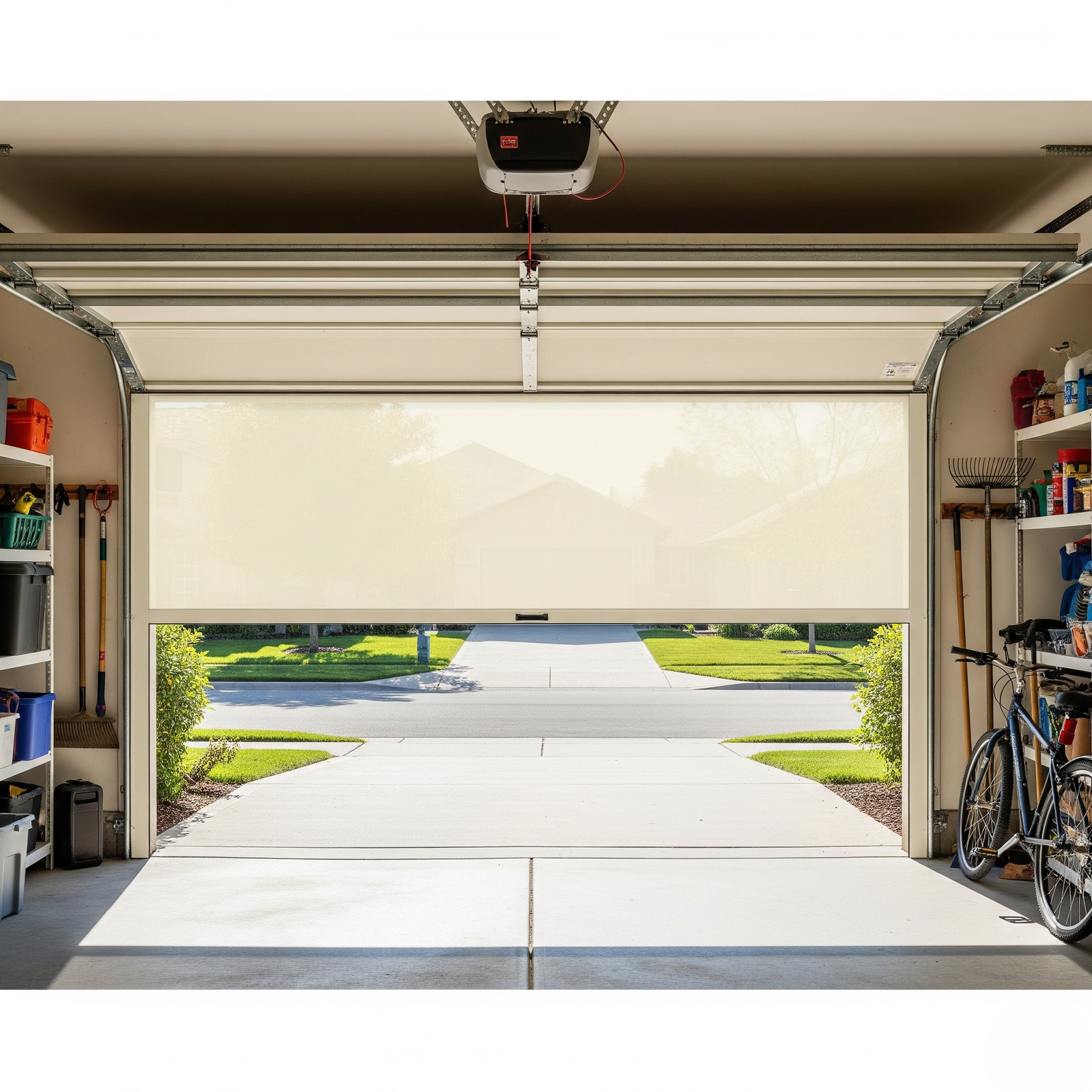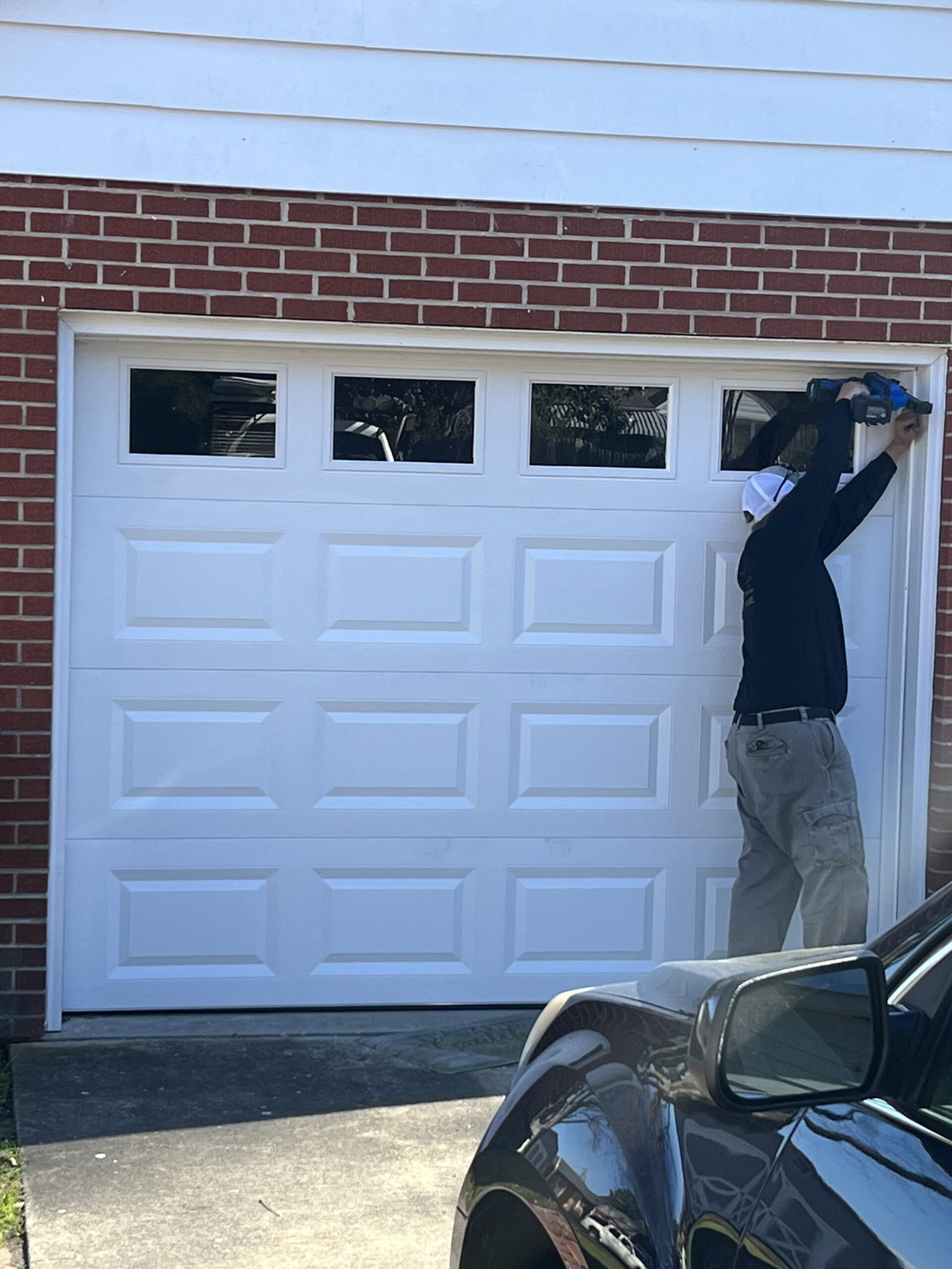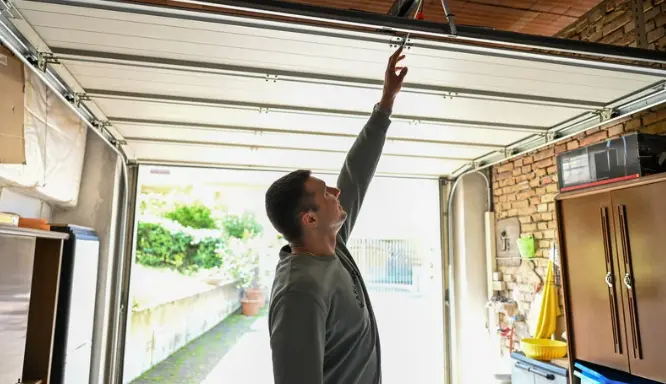
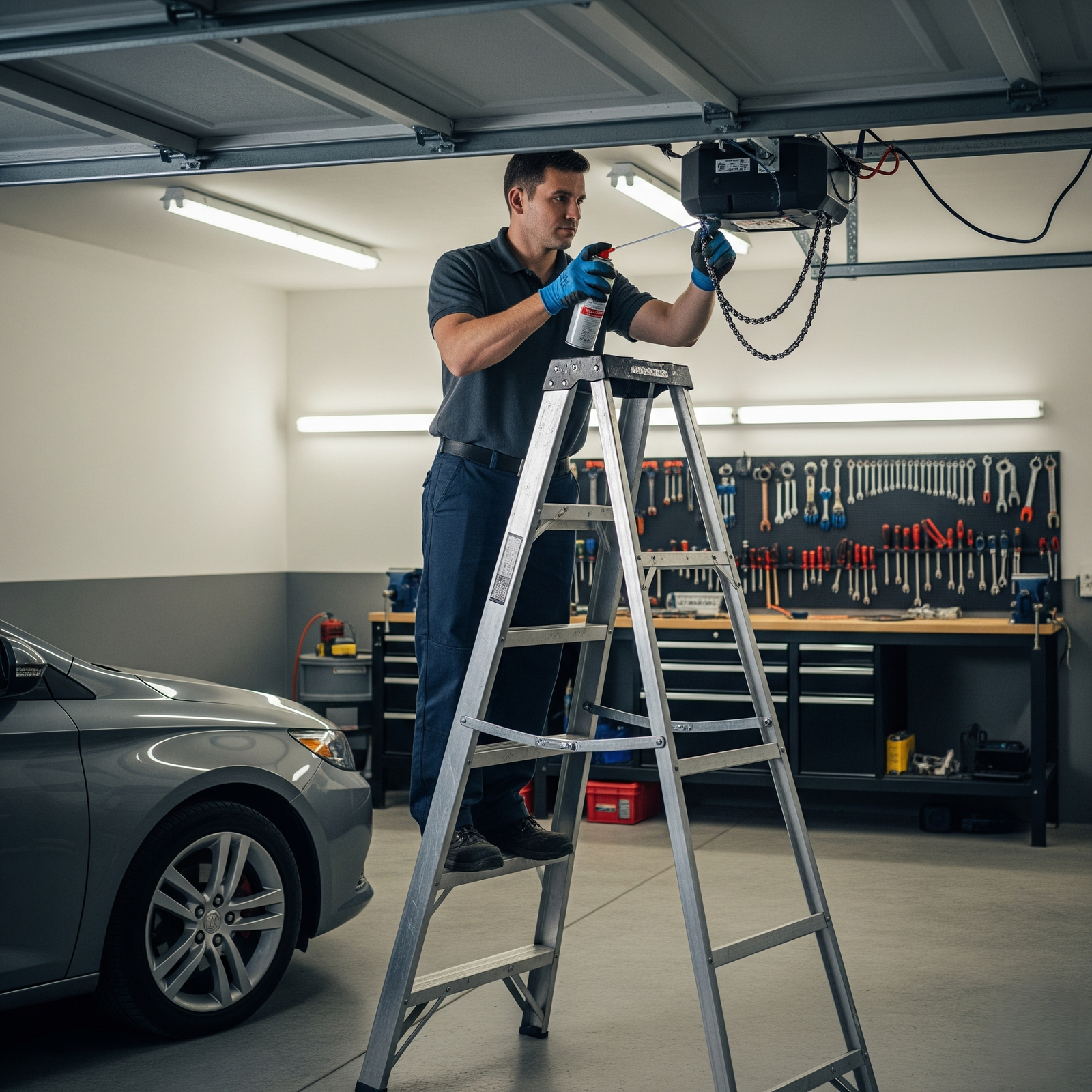
Your garage door is more than a simple entry point; it’s one of the first features visitors notice and a significant part of your home’s curb appeal. Regular garage door tune-ups keep the door operating smoothly, reduce unwanted noise, and help your exterior design feel polished and secure. When the tracks are aligned, the rollers are clean, and the door is properly balanced, daily use feels effortless, and your property presents a well-maintained impression.
A scheduled garage door tune-up also supports safety, privacy, and convenience for every homeowner. An expert can inspect springs, cables, sensors, and other parts for wear, apply proper lubrication where needed, and confirm that the opener responds quickly and reliably. By selecting routine preventive maintenance instead of waiting for a breakdown, you extend the system’s life and keep your entrance dependable in every season.
Understanding the Importance of Regular Garage Door Tune-Up
Scheduling a regular garage door tune-up is a smart way to keep the entire system operating smoothly and efficiently. During a tune-up, an expert will inspect, lubricate, and adjust all moving parts, from the tracks to the garage door opener. When minor concerns are identified early, you avoid major failures, protect essential parts from damage, and reduce the risk of extensive repairs later.
Consistent preventive care also supports your home’s energy efficiency and curb appeal. A well-maintained door moves smoothly, operates quietly, and keeps your daily routine reliable without unexpected interruptions. A tuned system also helps the door seal properly when closed, which can improve comfort inside the garage and reduce unnecessary strain on the opener.
Regular tune-ups are just as crucial for safety as they are for performance. Springs, cables, and other high-tension parts can be dangerous to handle without proper training. Having a qualified professional perform a structured tune-up ensures that safety features, such as photo-eye sensors and auto-reverse functions, are working correctly. This helps protect your household, extends the service life of the door and opener, and keeps the entire system aligned with manufacturer recommendations.
If you want a fuller breakdown of how routine care protects your home, read How Preventive Garage Door Maintenance Keeps Every Home Safer.
What Is a Garage Door Tune-Up and Why Does It Matter?
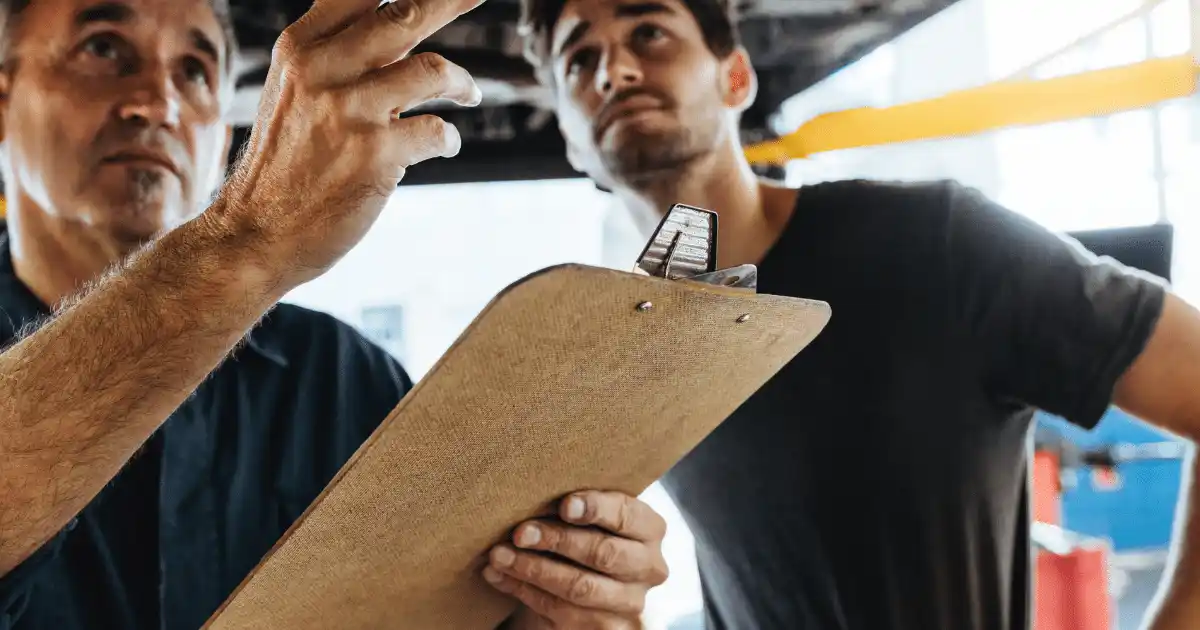
A garage door tune-up is a comprehensive inspection of your entire garage door system, much like a wellness exam for the door and its moving parts. During a professional garage door service, an expert will inspect the springs, cables, rollers, hinges, tracks, and garage door opener. The purpose is to confirm everything is aligned, moving correctly, and working together under the proper tension for safe, dependable operation.
Scheduling this type of preventive maintenance is essential for every homeowner because it catches minor issues before they become serious. For example, a technician may notice a cable starting to wear, a roller binding along the track, or a door drifting out of balance. Addressing issues at this stage helps you avoid unexpected garage door repairs or a complete system shutdown.
A tune-up lowers the risk of sudden breakdowns and keeps key parts of the garage door, including the opener, operating smoothly. Consistent checking, adjustment, and correct lubrication extend system life, support safer operation, and keep performance reliable day after day. Routine garage door tune-ups save time, reduce long-term maintenance headaches, and keep your home secure and convenient through every season.
To learn why these inspections are even more important than they seem, read Why Scheduled Garage Door Inspections Matter More Than Homeowners Think.
Key Benefits of Consistent Garage Door Maintenance for Every Home
Keeping up with garage door maintenance supports far more than daily convenience. One major advantage is saving money over time. When an expert regularly inspects and maintains garage door parts, early wear or minor misalignment can be addressed promptly, helping you avoid emergency service calls or more expensive repairs later.
Regular tune-ups also bring peace of mind. You can trust the garage door to open and close correctly, helping protect your family and belongings. With consistent preventive care, the door remains in strong condition, which supports a cleaner, more polished appearance and improved curb appeal for your home.
Key benefits include:
- Increased safety and security for your home.
- Extended lifespan of your garage door system.
- Reduced the likelihood of sudden, expensive breakdowns.
If you’re curious about the day-to-day advantages homeowners notice most, read The Everyday Benefits of Staying Consistent With Garage Door Tune-Ups.
Essential Steps Involved in a Garage Door Tune-Up
A garage door tune-up follows a clear, step-by-step process to ensure the system operates correctly. A garage door repair professional works through a detailed checklist to inspect every major part. This is more than a brief inspection; it is a thorough evaluation of how the door and opener function together in regular operation.
The main maintenance steps include a complete safety inspection and a careful review of all critical parts. These procedures confirm that the garage door remains properly balanced, maintains the correct tension, and runs smoothly and reliably during daily operation.
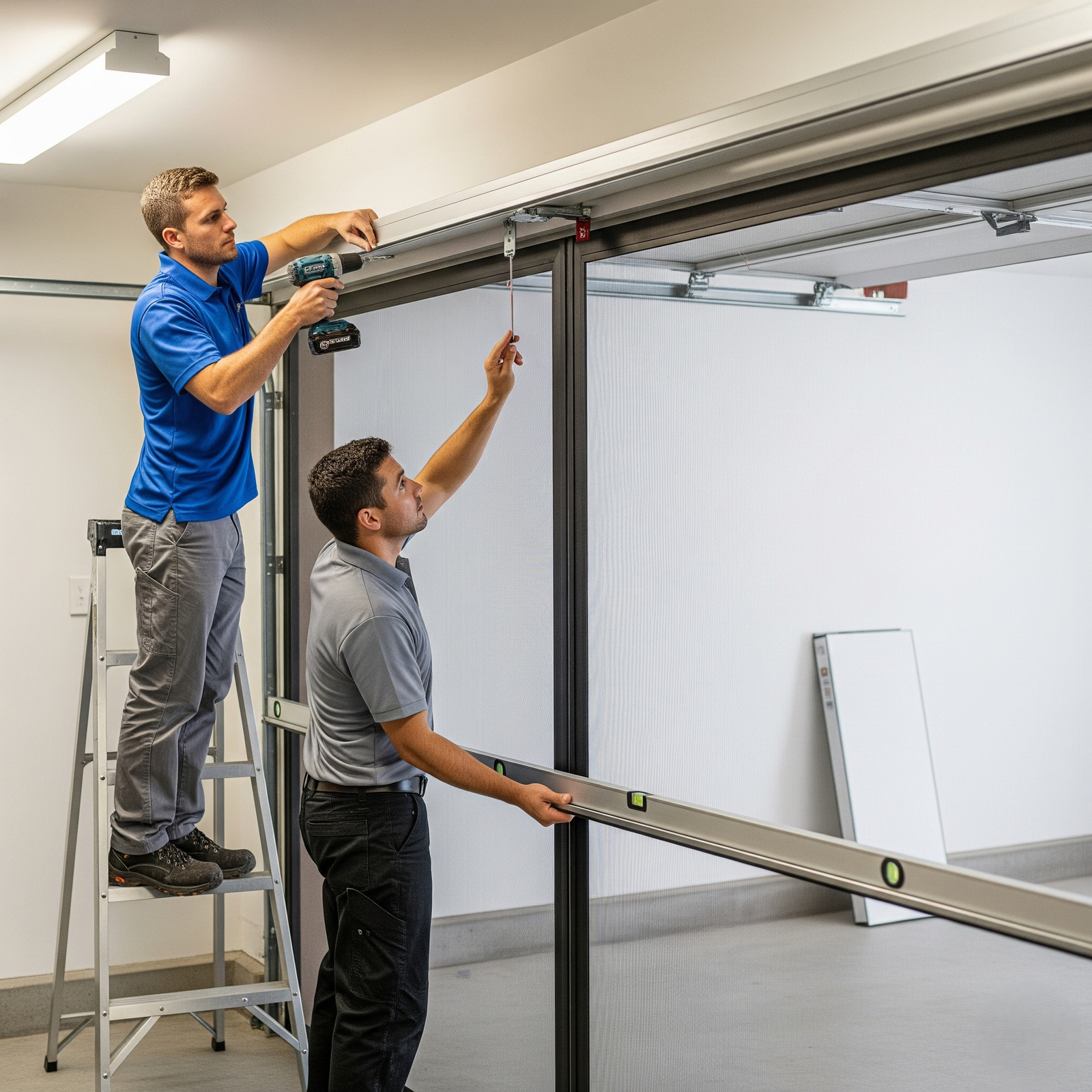
During a tune-up, the technician will typically tighten hardware, lubricate hinges, rollers, and springs, test the opener and safety sensors, and verify that the door opens and closes without unusual movement or noise. Any signs of wear, misalignment, or imbalance are identified and addressed early, helping the system operate safely and extending the lifespan of the garage door and opener.
Garage Door Safety Check: Ensuring Safe Operation
Keeping your garage door operating safely is the top priority in any tune-up. The technician checks every safety feature, starting with the auto-reverse system. This test confirms that the door immediately moves back up if it contacts an object in its path. Proper auto-reverse performance lowers the risk of accidents and helps protect your household.
Safety sensors, also called photo eyes, sit near the bottom of each track. The technician will inspect them to confirm they are aligned and clean, and to detect any items beneath the door. If sensors are dirty or misaligned, they may miss obstructions, leaving the door unsafe. Here’s what a professional safety check includes:
- Testing the auto-reverse function.
- Inspecting and cleaning the safety sensors.
- Confirming the garage door is balanced and properly aligned.
These steps support safe operation and ensure sensors perform as intended. Preventive garage door maintenance helps protect your home and reduces the risk of damage from unsafe door movement.
Garage Door Inspection: Evaluating Hardware, Tracks, and Panels
The entrance to your home is more than a simple way to enter or exit; it creates the first impression visitors notice and often aligns with your broader garage door maintenance and exterior design goals. A well-designed custom gate can instantly enhance curb appeal, define your property’s boundaries, and signal that security and style matter to you as a homeowner. Beyond appearance, a tailored gate system can be designed around your driveway layout, fencing, and landscaping, ensuring everything feels cohesive, practical, and functional from day one.
Custom gates also provide greater control over safety, privacy, and daily convenience than standard off-the-shelf options. You can choose durable materials, smart access controls, and hardware suited to your climate and usage needs, creating a long-lasting entrance that performs reliably year after year. With the right design and installation, the gate ensures smooth operation while reinforcing your property’s overall quality and security.
How Scheduled Maintenance Enhances Garage Door Performance
Scheduled garage door maintenance helps the entire system operate more smoothly and reliably. When you follow a regular maintenance schedule that includes proper lubrication and necessary adjustments, all garage door parts work together as they should. This allows the door to open and close smoothly, with less vibration and fewer unusual sounds that often indicate early wear.
A properly operating garage door also improves energy efficiency. When the door is well sealed and properly balanced, it helps maintain steadier temperatures in the garage, reducing energy strain on the rest of the home. Consistent preventive care for the garage door and opener extends service life, protects key parts from damage, and reduces the need for garage door repair.
For homeowners thinking about comfort and sealing, the Department of Energy guidance on door sealing shows how tight closure supports steadier garage conditions
The Lasting Impact of Preventive Garage Door Maintenance
The long-term benefits of preventive garage door maintenance are significant, especially for how long your garage door will last. Most garage doors can operate reliably for many years, but only with consistent care. With regular tune-ups, key components continue to perform as intended, reducing strain across the system and limiting wear on springs, rollers, and cables.
Maintaining your garage door in this way also helps you avoid costly repairs. When minor issues are identified early, there is a much better chance you will not need an emergency garage door repair. Investing in preventive maintenance now can save significantly over the life of your door.
Preventive maintenance ensures your garage door works when you need it most. Routine checking, adjustment, and proper lubrication help prevent sudden failures, unexpected expenses, and inconvenient interruptions, keeping your system dependable and efficient year after year.
Detecting Early Warning Signs That Require Attention
Your garage door often shows early signs that it needs a tune-up. When you quickly notice these signals, you can address minor concerns before they escalate into larger problems. One thing every homeowner should watch for is unusual noises such as grinding, scraping, or squeaking. These sounds may indicate that certain parts need proper lubrication or are starting to wear down.
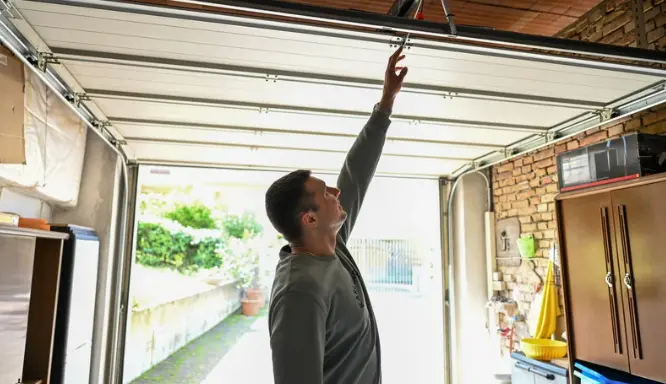
You can also do a quick visual inspection. Check for clear wear, such as frayed cables or rust on springs and tracks. If the door does not move as it should, feels slow, or moves unevenly during opening or closing, it’s time to have a professional garage door maintenance technician inspect the system.
Be watchful for these warning signs:
- The door feels very heavy when you try to lift it by hand.
- The door opens at an angle or appears crooked.
- The door drops quickly right after you open it halfway.
These signs of wear, unusual noises, and visible rust are strong clues that your garage door may be developing serious problems. A thorough tune-up or professional inspection will restore reliable performance and keep the system operating safely.
The Family Handyman garage door maintenance tips outline simple between-visit checks that help you spot wear early and keep the system running smoothly.
Factors That Influence Garage Door Tune-Up Frequency and Service
How often a garage door needs a tune-up depends on several important factors. Every home is different, and usage plays a major role. A door that opens and closes many times each day will experience accelerated wear on its parts compared with a door used only a few times per week. The age of the garage door installation, the condition of the opener, and local weather also influence how frequently maintenance should be scheduled. Doors exposed to humidity, intense sunlight, wind, or significant temperature fluctuations often require closer attention over time.
High-traffic doors, older systems, and doors installed in demanding environments place more strain on springs, rollers, cables, and other moving parts. As these parts experience regular use, they may require adjustment, lubrication, or replacement to maintain safe and reliable operation.
Experienced garage door professionals can evaluate your specific system and recommend an appropriate maintenance schedule based on how the door is used, its age, and its materials. By following a preventive maintenance plan tailored to your situation, you support safe operation, reduce the likelihood of urgent repairs, and extend the lifespan of both the garage door and the opener.
How Often Should You Schedule a Garage Door Tune-Up?
It’s wise to schedule professional garage door service for regular maintenance at least once each year. For many homeowners, one annual inspection is sufficient to keep the garage door system operating smoothly and to catch minor issues before they worsen.
If your garage door is used daily, two tune-ups per year may be the better option. Higher daily use increases wear on parts such as the garage door opener and springs. More frequent checks help ensure everything remains properly aligned, balanced, and functioning as intended.
Having a qualified technician inspect your garage door system yearly is the basic standard. This routine service helps ensure your garage door continues to operate safely and reliably for a longer lifespan.
Professional vs. DIY Garage Door Tune-Ups: Newport News Perspective
While some homeowners in Newport News may feel comfortable with basic tasks such as clearing debris and cleaning tracks, professional garage door repair service delivers expertise and safety that’s hard to match. Experienced technicians have the right tools and training to inspect the garage door opener or torsion springs for subtle issues—issues that are easy to miss without specialized knowledge.
Attempting to adjust or repair specific parts, especially high-tension springs, can be extremely risky and may result in serious injury or damage to the parts. A professional service confirms every adjustment is completed correctly and safely, with proper alignment, balance, and lubrication across the system.
Choosing between a DIY approach and a professional tune-up comes down to convenience versus complete preventive care. A professional inspection covers every critical part in detail, helping your garage door operate at peak performance and stay reliable for daily use.
| Aspect | DIY Tune-Up | Professional Service |
| Scope | Basic cleaning, visual checks, and simple lubrication. | Comprehensive inspection, lubrication, adjustments, and safety tests. |
| Safety | High risk of injury when handling high-tension parts like springs. | Trained technicians safely handle all components. |
| Expertise | Limited to visible issues; may miss underlying problems. | Years of experience to diagnose complex issues with the opener or balance. |
| Thoroughness | May overlook critical signs of wear on less obvious parts. | Follows a detailed checklist to ensure every part is evaluated. |
Every homeowner needs to understand why regular garage door tune-ups matter. Staying consistent with preventive garage door maintenance supports a safer home and keeps the garage door operating reliably for many more years. Routine checking of the door and opener helps you spot early wear, alignment shifts, or changes in tension before they become larger concerns. With this approach, the system remains dependable, and your household stays protected.
Prime Garage Doors provides professional garage door tune-ups designed to keep your system in peak condition through every season. Our technicians focus on detailed inspection, precise adjustments, and proper lubrication to support smooth, quiet operation. If you would like to schedule a tune-up or have questions about your door’s performance, contact us today or give us a call. Your garage door deserves consistent, high-quality care.